Biography

A Career Defined by Courage and Reform

For nearly a decade, Judge Leon Jenkins presided over the 36th District Court with a singular conviction: that justice must rehabilitate, not merely punish.

Overview

Judge of the 36th District Court

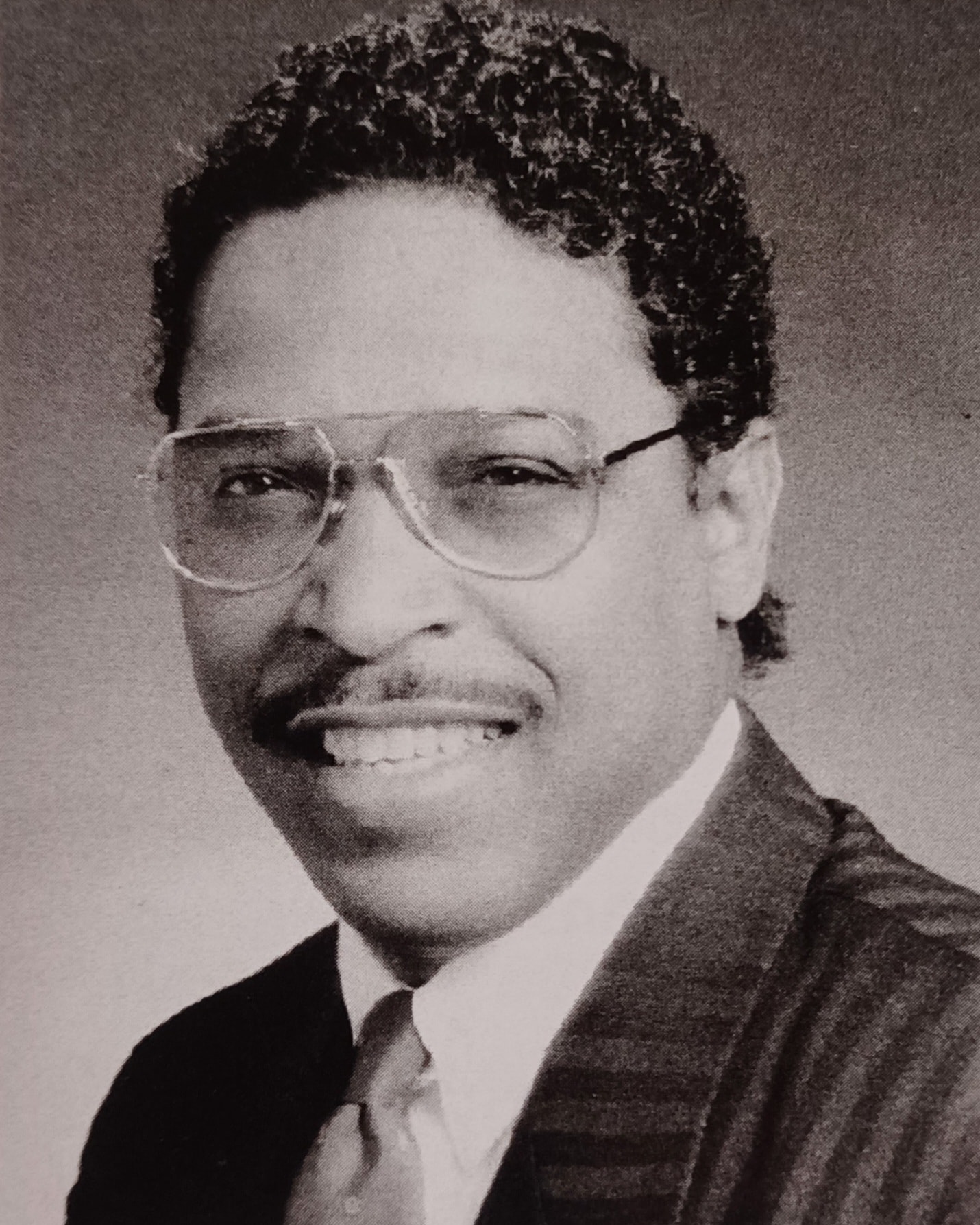
Judge Leon Jenkins served as a judge of the 36th District Court in Detroit, Michigan — the busiest district court in the state of Michigan and one of the largest in the United States. During his tenure, he became one of the most consequential and controversial jurists in the court's history, not for the severity of his sentences, but for his radical departure from them.

Where other judges imposed monetary bonds and jail time for minor offenses, Judge Jenkins imposed education, community service, and accountability. His courtroom became a laboratory for criminal justice reform decades before such ideas entered mainstream legal discourse.

Judicial Record

Landmark Rulings & Judicial Philosophy

Judge Jenkins' approach to sentencing was unprecedented in Michigan and, in many respects, in the nation.

Bail Reform

Abolishing Monetary Bonds

Judge Jenkins was the first judge in Michigan to systematically abandon monetary bonds for alternative detention programming. Recognizing that cash bail punished poverty rather than risk, he replaced it with supervised release, check-ins, and community accountability — receiving over 4,000 essay assignments from defendants in place of monetary bonds in criminal cases.

Rehabilitation

The GED & Education Mandate

Over a six-year active period of his tenure, Judge Jenkins sent well over 5,000 people back to school. Virtually all of them received their GED or high school diploma. He became known as the 'Homework Judge' and the 'Grades for Bond Judge' — requiring defendants to demonstrate academic progress as a condition of release.

Community Justice

Professional Community Service Sentencing

Judge Jenkins pioneered a model of professional restitution: defendants with specialized skills were required to donate their expertise to the community at no cost. A physician charged with drunk driving might be ordered to provide 20–30 hours of free medical services to low-income Detroit residents. Lawyers, contractors, and tradespeople were similarly directed to give back.

Criminal Justice Reform

Diversion Over Incarceration

Judge Jenkins built and expanded a suite of diversion programs that kept non-violent offenders out of the criminal justice pipeline entirely. His programs were designed to be productive rather than punitive — requiring defendants to contribute to Detroit rather than simply serve time.

Legal Legacy

The Federal Trials & Acquittals

Judge Jenkins' reforms made him a target. He was prosecuted in two separate federal trials on charges of bribery, extortion, racketeering, racketeering conspiracy, and mail fraud — the only time in American history an African-American politician and judge faced two such trials. He was acquitted in both. His five-year legal battle was fought simultaneously against federal prosecutors, the Michigan Judicial Tenure Commission, and the Michigan State Bar.

The Measure of a Legacy

5,000+

People returned to school

4,000+

Essay assignments in lieu of bonds

2

Federal acquittals

36th

District Court, Detroit

“Judge Jenkins was prosecuted because his approach was antithetical to the traditional views of the criminal justice system. He would have put private prisons out of business.”

— From Trial to Justice

Read the Full Story

The complete account of Judge Jenkins' trials, acquittals, and judicial legacy is chronicled in his book, From Trial to Justice.

Judge Leon Jenkins

A legacy of justice, integrity, and service to the people of Detroit and Wayne County.

Court

36th District Court

421 Madison Street

Detroit, Michigan 48226

© 2026 Former Judge Leon Jenkins. All rights reserved.

Justice. Integrity. Service.